Compare hardscaping
Compare hardscaping
Blog Article
Optimize Your Outdoors: Must-Know Landscaping Options for Every Property
Transforming an exterior area requires multiple landscaping services tailored to meet particular property needs. From design to installation, each step serves as a vital role in achieving a cohesive look. Regular maintenance ensures that landscapes remain lively, while seasonal updates can improve their appeal throughout the year. Understanding the importance of choosing plants and hardscape features is important. However, knowing where to start can be challenging. What are the essential offerings every property owner should consider?
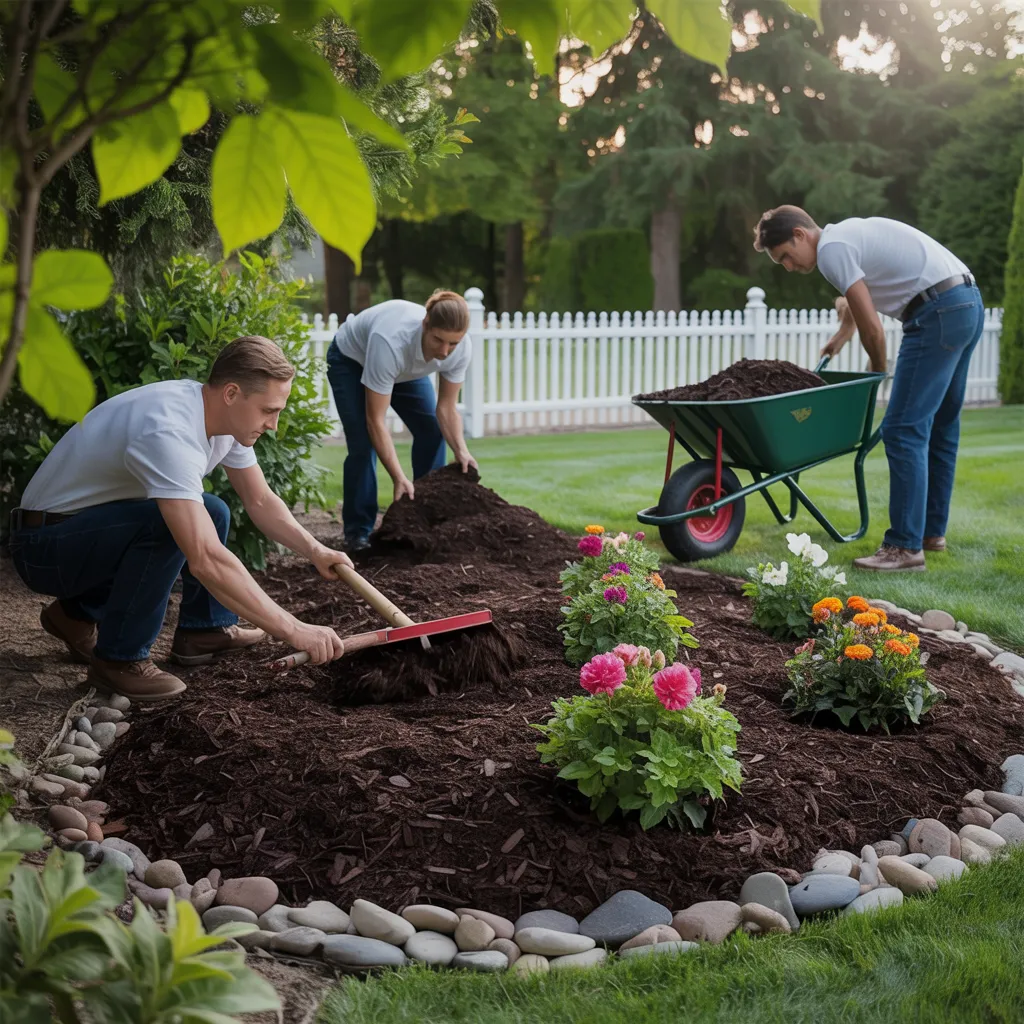
Essential Information You Should Know About Landscape Design
When assessing landscaping planning, one must acknowledge that it involves more than just flower planting and sodding. Effective landscaping integrates various features, including hardscapes, plant selection, and environmental considerations.
A carefully planned layout complements the current structures and natural surroundings, producing an aesthetically pleasing and practical exterior area.
Recognizing the local climate and soil conditions is critical, as these factors determine plant health and longevity. Additionally, incorporating conservation-focused methods, such as native plants and efficient irrigation systems, can enhance the ecological balance while reducing maintenance needs.
Furthermore, considering seasonal changes and the expansion patterns of plants ensures that the landscape stays beautiful year-round.
An effective design also takes into account the intended use of the space, whether for relaxation, entertainment, or cultivation. Overall, a thorough landscaping design approach can elevate a home's consult this source aesthetic appeal and practicality considerably.
Landscape Design Organization
Developing an outdoor space demands meticulous landscape design planning, a vital component that provides the basis for proper execution. The method entails examining the property's individual traits, such as soil type, sunlight exposure, and existing vegetation.
Professionals frequently partner with clients to understand their objectives and preferences, constructing a thorough plan that includes elements such as plant selection, layout, and watering solutions. Thorough planning ensures that every aspect aligns with the general design and operational objectives of the space.
It also considers potential challenges, such as drainage problems or maintenance requirements. Ultimately, well-executed landscape design not only elevates the visual appeal of outdoor areas but also optimizes their practical use and sustainability, guaranteeing a thriving environment for years to come.
Hard Landscaping Features Installation
Once the landscape design planning phase concludes, the emphasis transitions to installing hardscaping elements, which is vital in enhancing outdoor spaces.
The installation of non-plant features like patios, walkways, retaining walls, and decorative stonework makes up this procedure. Each element is meticulously selected to enhance the overall design, providing both functionality and visual appeal.
Durable materials like concrete, pavers, and natural stone are commonly used to assure longevity and minimal maintenance. Proper installation techniques are essential to prevent issues such as drainage problems or structural instability.
Configure your irrigation system by applying these critical steps to deliver reliable liquid supply to your outdoor space.
A carefully designed water management system is critical for sustaining flourishing outdoor spaces and ensuring prudent water allocation across any property. This framework calls for methodical planning and installation to fulfill the individual requirements of various plants and soil types.
Professional landscape designers evaluate the property's layout, determining ideal placement for sprinklers, drip lines, and controllers. They consider factors such as water pressure, sun exposure, and seasonal weather patterns to design a customized system.
Moreover, smart irrigation technology can be integrated to streamline watering schedules, reducing waste and encouraging healthy growth. Consistent upkeep ensures the system operates effectively, avoiding leaks and clogs.
Ultimately, a properly installed irrigation system improves the aesthetic appeal of outdoor spaces while preserving valuable water supplies.
Why Landscaping Offerings Must Include Frequent Maintenance?
While many property owners appreciate the visual beauty of properly maintained landscaping, the significance of regular maintenance often becomes apparent over time. Ignoring these tasks can lead to uncontrolled vegetation, invasive weeds, and deteriorating structures, which compromise the overall beauty and functionality of outdoor spaces.
Routine care guarantees that plants remain vigorous, radiant, and correctly pruned, while also addressing potential pest issues before they escalate.
Moreover, regular maintenance of hardscaping features, including patios and walkways, prevents wear and tear, extending their lifespan. A well-maintained landscape not just enhances curb appeal but also boosts property value.
Additionally, ongoing care can improve irrigation systems, ensuring optimal water utilization and advancing a sustainable environment.
In essence, the investment in consistent yard upkeep is necessary for protecting the integrity and allure of surrounding grounds, making them delightful for years to come.
Seasonal Enhancements to Invigorate Your Outdoor Environment
Updating an outdoor environment with seasonal enhancements can considerably increase its appeal and functionality. As the seasons progress, so do the chances for transformation.
When spring comes, fresh mulch and vibrant flower beds can enliven a space, building a welcoming atmosphere. Summer might call for the augmentation of outdoor furniture and shaded areas, perfect for gatherings.
Autumn presents a opportunity to feature seasonal decorations, such as pumpkins and colorful foliage, while winter can be embraced with evergreen arrangements and festive lighting. Each season offers unique elements that can revitalize the landscape, making it a dynamic part of the home.
Moreover, seasonal updates can contain maintenance tasks including selective cutting, fertilizing, and aerating your turf, ensuring the outdoor space continues to be lush throughout every season.
Native Plant Advantages
Picking native plants for landscape design not only enhances the visual quality of a property but also maintains environmental stability within the local environment.
Native plants are adjusted to the local climate conditions, soil composition, and native fauna, making them easier to maintain and more resistant against pests and diseases. They demand less water and fertilizer in comparison with non-native species, reducing resource consumption and environmental impact.
Furthermore, indigenous vegetation sustain local ecosystems by providing habitats and food sources for native wildlife, including birds and pollinators.
By planting these plants, property owners can create nature-based outdoor areas that succeed on their own, while also nurturing biodiversity.
Seasonal Flora Picking
How can homeowners ensure their outdoor spaces thrives throughout the year? Choosing plants for different seasons is crucial. By selecting vegetation suited in their specific climate, owners can create colorful outdoor areas that transform with the seasons.
In frigid zones, perennial flowers like coneflowers and sedum bring color in spring and summer, while evergreens establish winter interest. Conversely, warmer climates gain from heat-resistant plants, such as lantana and succulents, which survive dry spells.
Additionally, comprehending local frost dates and moisture patterns is essential for timing plantings successfully. Property owners should also account for native species, as they naturally adapt to local conditions, needing less maintenance and water.
Strategic year-round plant selection ensures a flourishing outdoor space year-round, increasing property appeal.
Enhancing Hardscaping: Pathways and Patios Made Uncomplicated
Hardscaping features like pathways and patios can convert any outdoor space into a practical and visually attractive environment. These components offer structure and arrangement, guiding foot traffic while improving visual appeal.
Pathways can be built from a assortment of materials, including natural stone, brick, or concrete, each offering distinctive textures and colors that enhance the landscape.
Patios provide adaptable outdoor living areas, great for relaxation or entertaining guests. They can be designed to fit any size property and can integrate features such as seating walls, fire pits, or integrated lighting.
When designing pathways and patios, it is essential to take into account the overall design, ensuring that these paved features harmonize with existing plantings and structures. Correct installation techniques and drainage solutions are important for durability and longevity.
Ultimately, adding hardscape elements can uplift the outdoor experience, making it both attractive and remarkable.
Planning Your Outdoor Beautification Financial Allocation
Once you upgrade a property with structural landscape elements such as pathways and patios, the subsequent phase involves detailed budget management for the outdoor design project. Budget management is critical to assure the project stays cost-effective while accomplishing design aspirations.
Property owners should begin by evaluating their overall spending plan, taking into account both hard landscaping and softscaping elements.
Subsequently, a detailed breakdown of financial outlays, featuring components, human resources, and potential permits, is critical. It's important to allocate an additional 10-15% for contingency costs that may arise during the endeavor.
Furthermore, categorizing elements based on true needs versus preferences can support making informed decisions. Partnering with landscaping professionals can present worthwhile perspective into economical strategies and reasonable targets.
In the final analysis, a carefully structured budget not only allows efficient project execution but also helps create a harmonious and balanced outdoor space that adds permanent value to the property.
Common Queries Asked Often
What's the Right Way to Choose a Landscaping Contractor?
Selecting an appropriate lawn care professional involves examining qualifications, checking feedback, assessing previous projects, and getting several estimates. Strong dialogue and a solid comprehension of desired outcomes guarantee a productive collaboration for achieving desired outdoor transformations.
Which Permits Are Essential for Outdoor Design Initiatives?
Landscape project permits typically incorporate zoning authorizations, development permits for structures, and environmental permits for tree removal or drainage alterations. Local regulations may vary, so consulting the local jurisdiction is imperative for compliance.
How Can I Increase My Property's Value With Landscape Design?
Enhancing a asset's value through ground design encompasses incorporating native species, creating functional outdoor spaces, deploying hardscaping elements, and maintaining a polished condition. These modifications captivate potential buyers and elevate overall market appeal.
What Sustainable Yard Design Options Are Available?
Environmentally responsible landscaping solutions offer native plant gardens, xeriscaping, rain gardens, permeable paving, and organic gardening practices. These tactics safeguard water resources, cut maintenance, strengthen biodiversity, and cultivate environmental balance, ultimately supporting both property value and the environment.
How Do I Preserve Yard Design During Extreme Weather Conditions?
Regular inspection of your landscape during extreme weather is essential, along with proper irrigation techniques, mulching to retain soil moisture, protective coverings for plants, and strategic pruning to enhance resilience against wind or heavy rain. Flexibility is vital for plant longevity.
Report this page